Flags have families
Many flags look alike because they share a history: an empire, a revolution, a region or a common idea. Here are the main families.
Nordic crosses
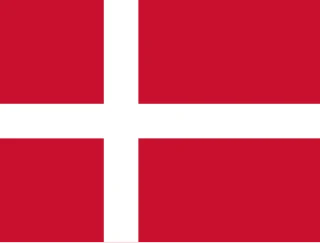
Denmark’s flag, the Dannebrog, is one of the oldest national flags still in use: legend says it fell from the sky in 1219, and it is already depicted in the 14th century. Its white cross on red has a special feature: the upright arm is shifted towards the pole, which lengthens the flying part.
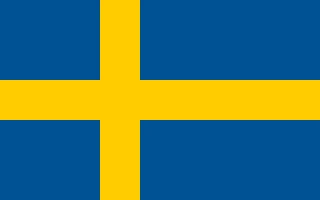
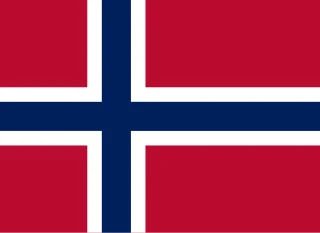
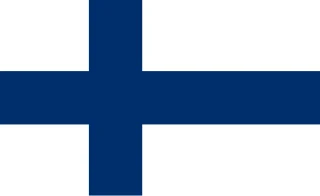
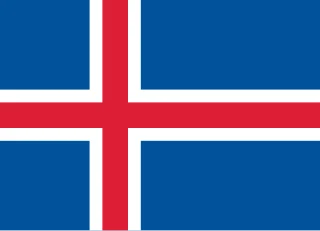
Its neighbours adopted this off-centre cross in their own colours: Sweden (blue and yellow), Norway (a white-edged blue cross on Danish red, in 1821), Iceland (1915) and Finland (1918). The same shape appears on the flags of the Faroe Islands, Åland and regions such as Scania.
These five flags have a cross lying on its side, pushed a little towards the pole. The first one, Denmark’s, is so old that a legend says it fell from the sky! The neighbouring countries copied it, each with its own colours.
Pan-African colours
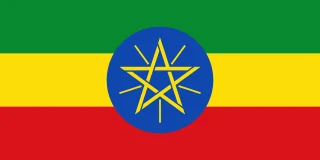
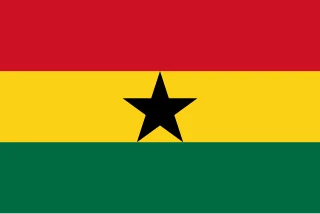
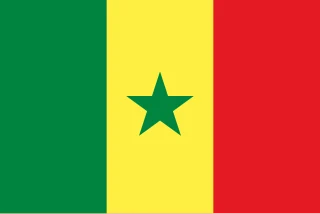
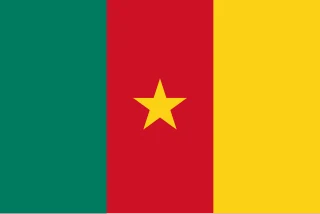
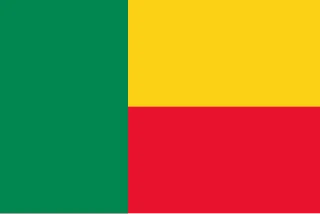
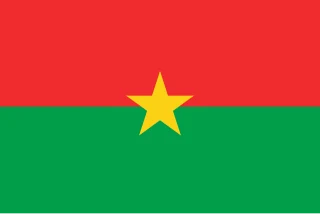
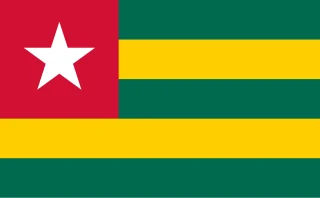
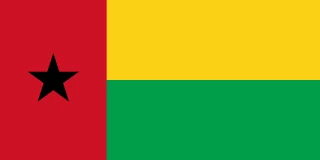
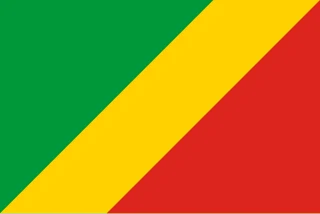
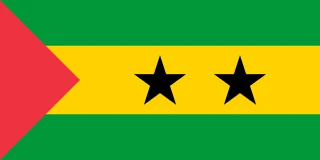
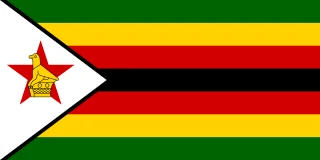
Green, yellow and red are the colours of the flag of Ethiopia, one of the only African countries to have escaped colonisation (despite an Italian occupation from 1936 to 1941). When Ghana became independent in 1957, it chose these colours and added a black star; many countries did the same at independence, around 1960.
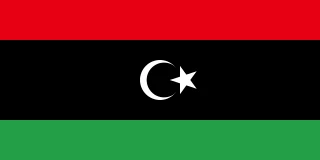
Red, black and green, chosen in 1920 by the activist Marcus Garvey, are also called Pan-African colours: they appear for example on the flags of Kenya, Malawi and South Sudan.
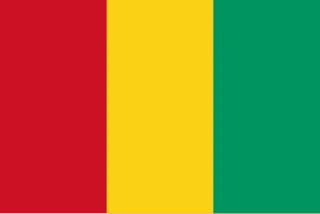
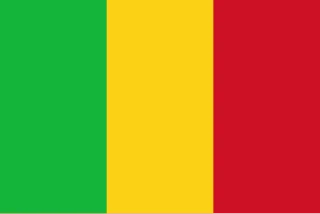
Green, yellow and red: these are the colours of Ethiopia, a very old African country. Many African countries chose them when they became free, to show that they stood together.
Pan-Arab colours
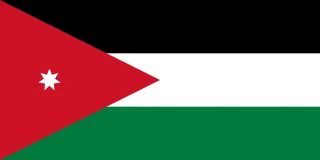
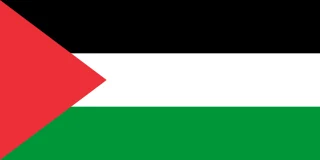
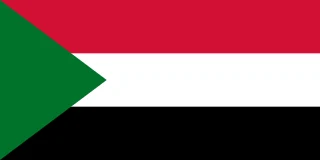
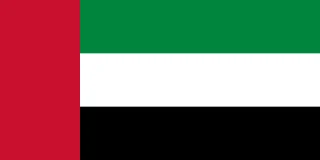
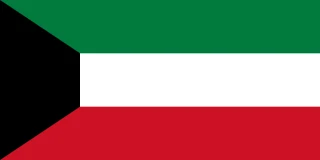
Black, white, green and red come from the flag of the 1916 Great Arab Revolt against the Ottoman Empire. Each colour recalled a great dynasty of Arab history. Jordan, Palestine, Sudan, the United Arab Emirates and Kuwait have kept them, often with a red triangle or band near the pole.
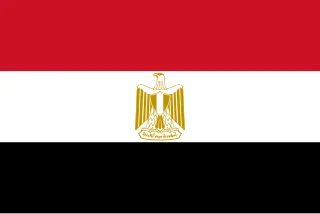
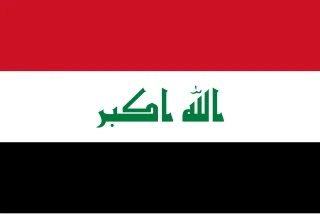
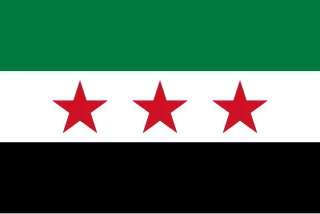
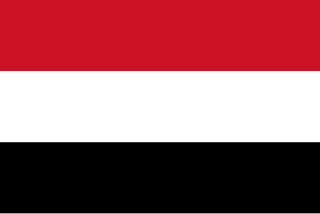
Egypt, Iraq, Syria and Yemen use a variant in three bands, red, white and black, which appeared during the Egyptian revolution of 1952.
Black, white, green and red: these four colours come from a flag of 1916. Many Arab countries have kept them to show they share a common history.
Pan-Slavic colours
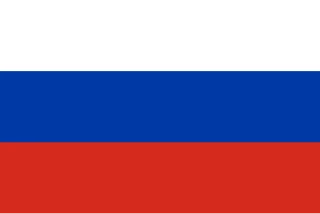
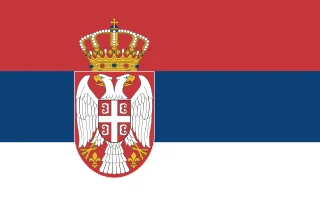
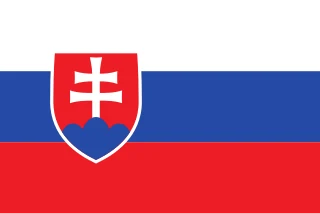
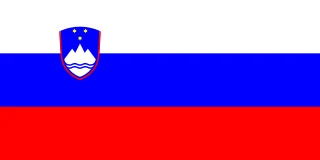
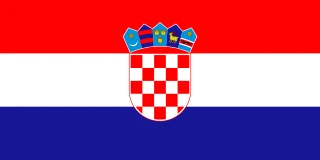
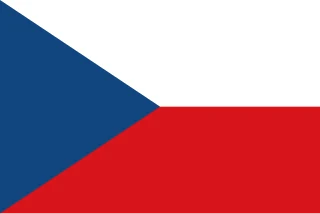
The white, blue and red of the Russian flag were taken up in the 19th century as common colours of the Slavic peoples, at a congress held in Prague in 1848. Serbia, Slovakia, Slovenia, Croatia and Czechia use them, often adding a coat of arms to stand apart.
White, blue and red: several Eastern European countries with related languages chose the same colours. So as not to be mixed up, they added a coat of arms.
With the Union Jack
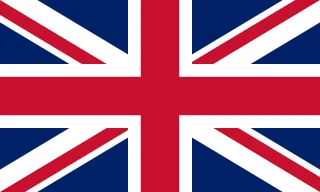
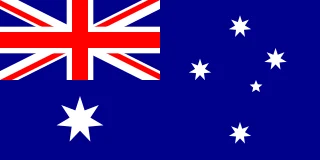
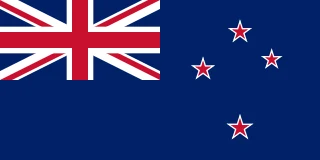
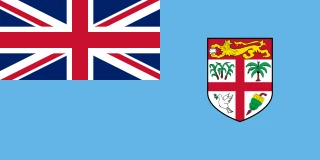
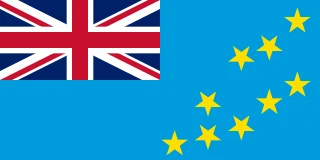
The United Kingdom’s flag combines the cross of St George (England), the saltire of St Andrew (Scotland) and a red saltire known as St Patrick’s (Ireland). Several Pacific countries, former British colonies, keep it in the canton of their flag. In New Zealand two referendums, in 2015 and 2016, asked whether to change it: voters chose to keep the old flag.
The British flag is made of three crosses on top of each other. Several faraway countries in the Pacific Ocean have kept it in a corner of their flag.
Stars and stripes
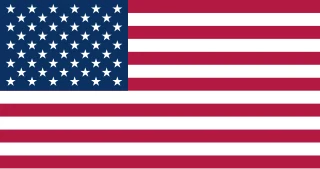
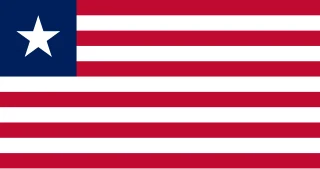
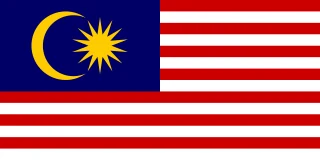
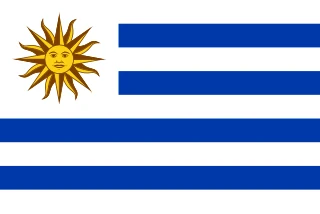
The thirteen stripes of the American flag stand for the thirteen colonies that declared independence in 1776; the fifty stars for today’s states. This design inspired Liberia, founded in the 19th century by formerly enslaved people from the United States, Malaysia (fourteen stripes) and Togo. Uruguay combines stripes and a sun.
Stripes and stars: the United States flag has one star for each state, fifty in all! Other countries made flags that look like it.
Vertical tricolours
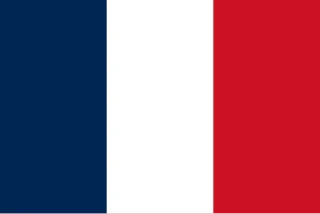
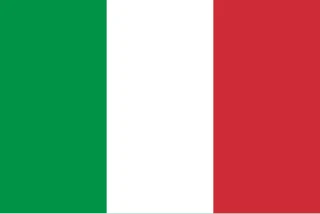
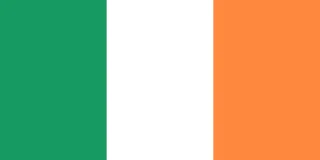
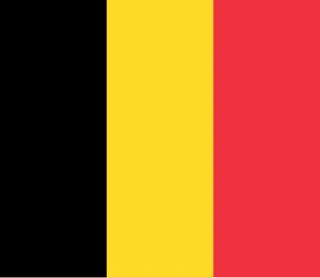
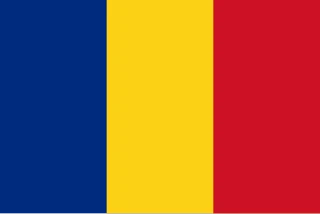
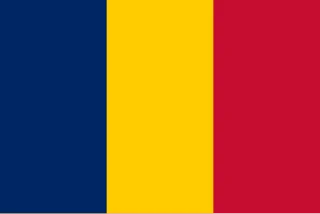
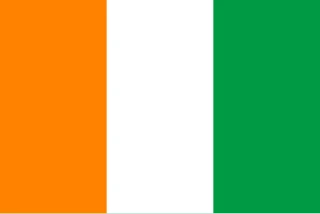
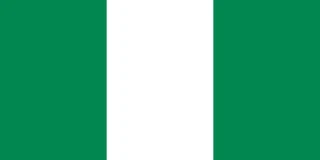
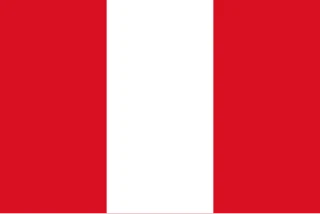
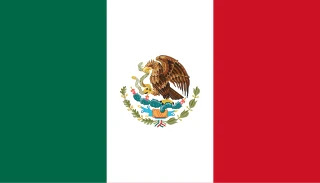
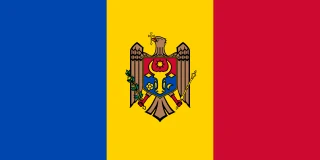
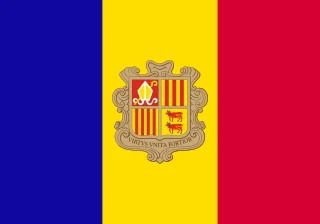
The French flag with three vertical bands, adopted in 1794, was widely copied: Italy, Ireland, Belgium and Romania chose the same shape with other colours, and many West African countries took it up at independence. As a result some flags look very similar, like those of Chad and Romania, almost identical, or those of Ireland and Côte d’Ivoire, whose colours are reversed.
Three upright bands, side by side: that is the shape of the French flag, and many countries copied it. Watch out for tricks: Chad and Romania have almost the same flag!
Heirs of Gran Colombia
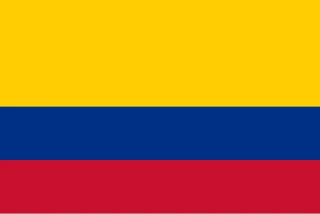
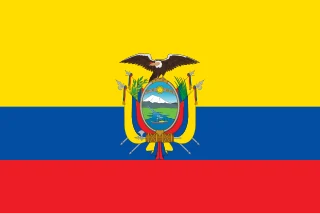
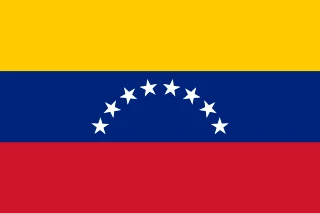
Yellow, blue and red were chosen by Francisco de Miranda, a forerunner of South American independence, then taken up by Simón Bolívar’s Gran Colombia (1819-1831). After it split, Colombia, Ecuador and Venezuela kept these colours.
Yellow, blue, red: these three South American countries were once a single big country. They kept the same colours.
The blue and white of Central America
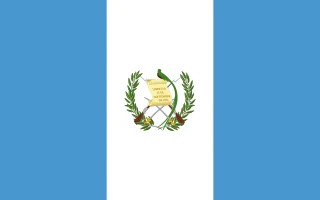
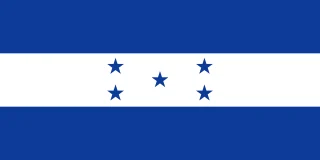
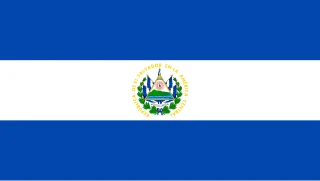
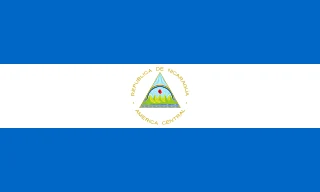
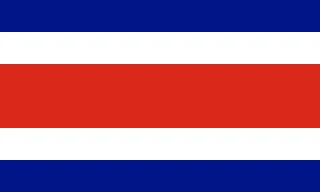
From 1823 to 1841 the Federal Republic of Central America united Guatemala, Honduras, El Salvador, Nicaragua and Costa Rica under a blue and white flag. The blue bands stand for the two oceans that border the region. Honduras, El Salvador and Nicaragua kept this design almost unchanged; Guatemala turned the bands upright and Costa Rica added a red band in 1848.
Blue, white, blue: the two blue bands are two oceans, one on each side of these countries. Long ago they formed a single country.
Crescent and star
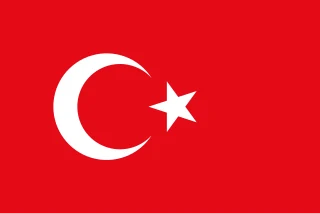
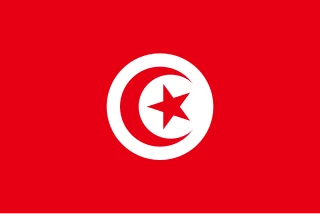
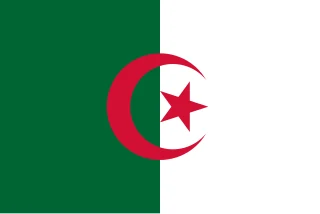
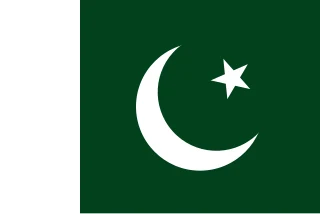
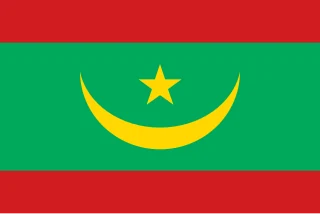
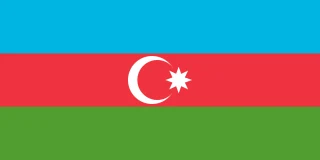
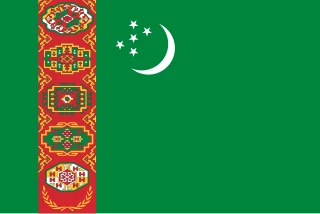
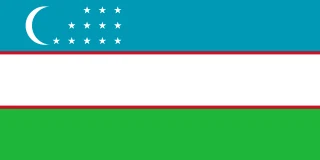
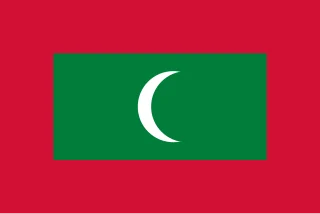
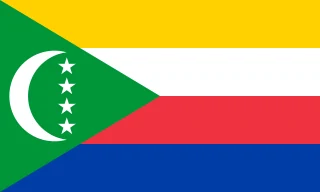
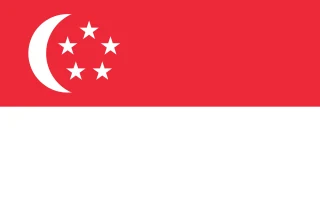
The crescent moon with a star appeared on the flag of the Ottoman Empire; it is often associated with Islam, although it is older. It is found on the flags of Turkey, Tunisia, Algeria, Pakistan and Malaysia. Singapore’s crescent stands for a young nation on the rise.
A crescent moon and a star: you can see them on many flags, from Turkey to Malaysia. Can you find others?
The Southern Cross
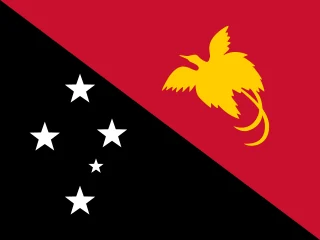
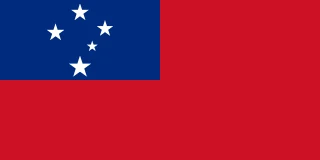
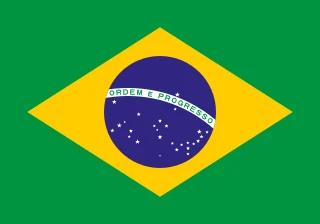
The Southern Cross is a small constellation seen only from the Southern Hemisphere, where sailors used it to find south. It shines on the flags of Australia, New Zealand, Papua New Guinea and Samoa. On the globe of the Brazilian flag, the sky over Rio de Janeiro on the morning of 15 November 1889, when the Republic was proclaimed, shows it too, among other stars.
These stars form the Southern Cross, a constellation you can only see from the southern half of the Earth. Sailors used it to find their way.