How to read a flag
Six lessons to understand how flags and anthems are made: vocabulary, colours, symbols, shapes, the rules of a good flag. Each lesson comes in an adult and a kids version.
1The language of flags
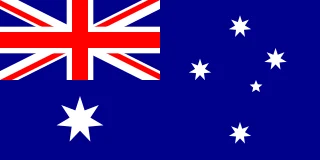
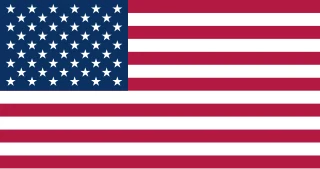
Flag experts, called vexillologists (from the Latin vexillum, “banner”), have their own vocabulary. The side of the flag attached to the pole is the hoist; the other side, which flies in the wind, is the fly. The canton is the rectangle at the top, next to the pole: a symbol is often placed there, like the Union Jack on the Australian flag or the stars on the American flag.
The background of the flag is the field. It may carry horizontal or vertical stripes, crosses, saltires (X-shaped crosses), triangles, and charges: stars, crescents, suns, animals or coats of arms. Finally, the proportions give the ratio between height and length: 2:3 (two units high for three long) is the most common format.
A flag has one side tied to the pole and one side that flies in the wind. The small rectangle at the top, near the pole, is called the canton. The pictures on the flag, like a star or an animal, are called charges.
Imaginary flag drawn as an example.
2Colours and their meaning
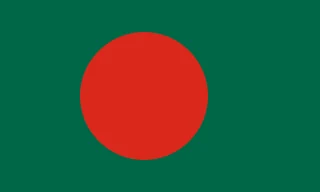
National flags use a small number of strong colours, easy to recognise from afar and to reproduce. Red is the most frequent: it is often linked to courage or to the blood shed for independence. White often evokes peace, blue the sky, the sea or freedom, green the land, farming or Islam, yellow the sun or wealth, black the people or past hardships.
These meanings are not universal: each country gives its own explanations, and they were sometimes chosen long after the flag was designed. The counter below shows how many of the site’s flags contain each colour.
Red is the colour found on the most flags! Each country chooses what its colours mean: often blue means the sky or the sea, green nature, yellow the sun.
3Symbols
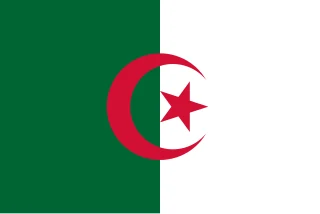
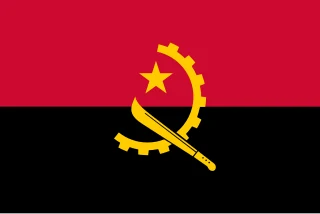
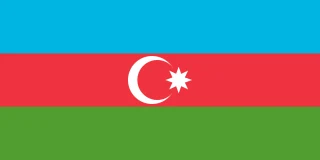
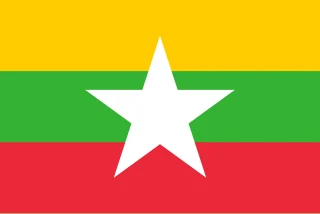
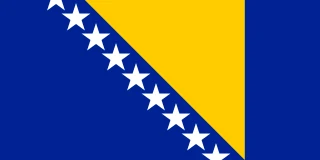
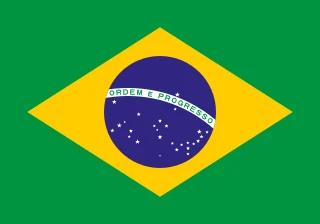
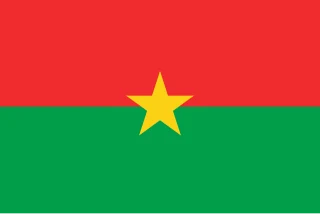
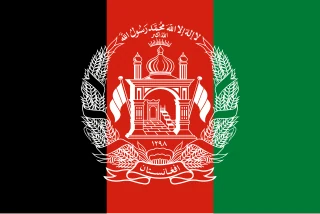
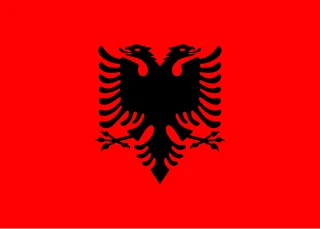
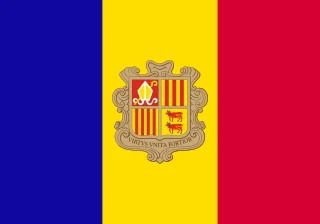
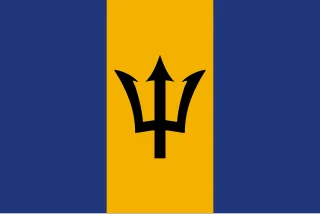
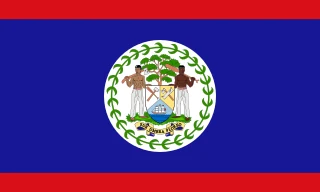
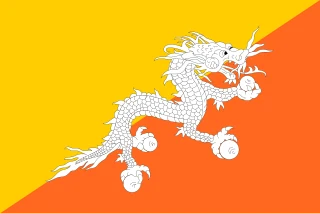
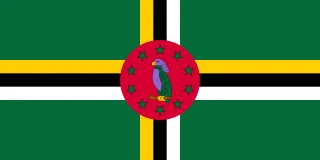
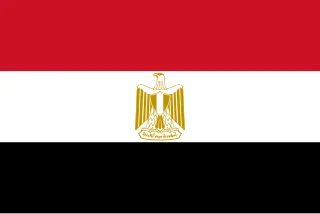
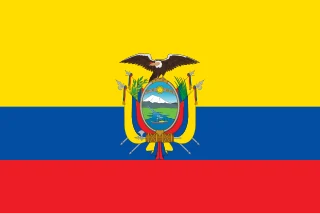
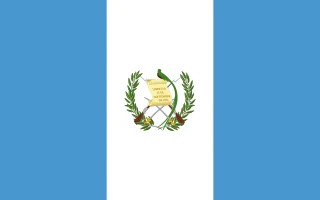
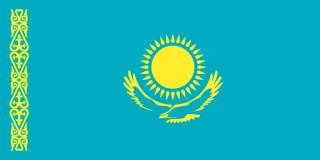
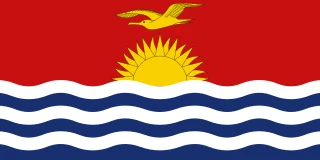
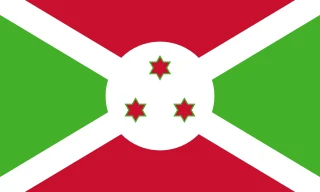
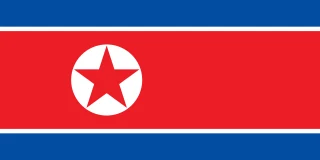
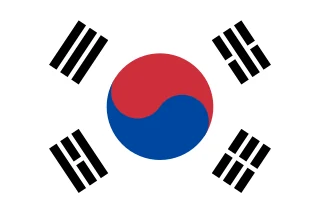
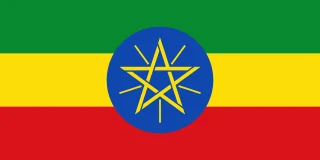
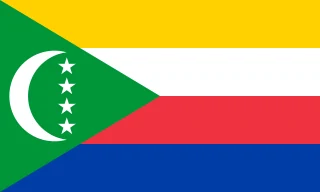
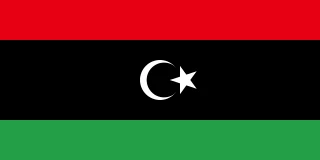
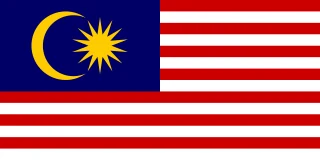
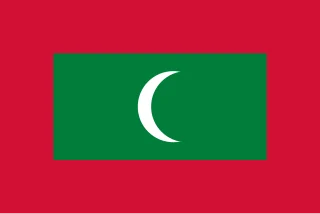
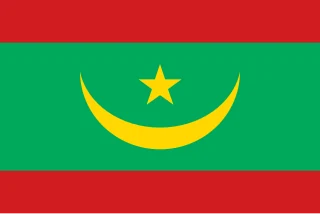
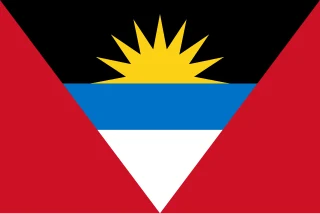
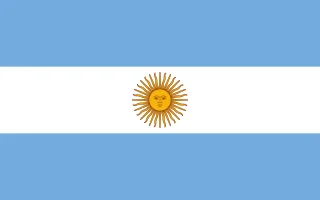
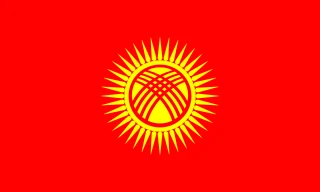
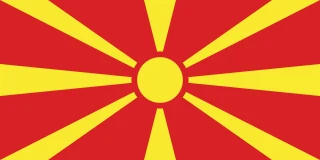
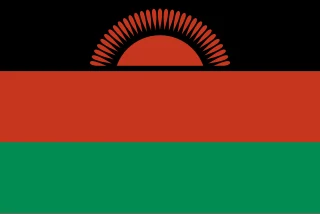
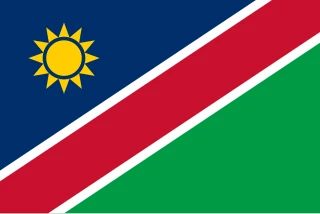
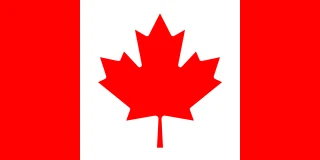
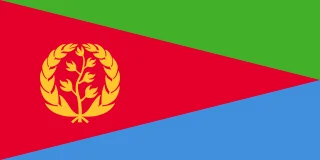
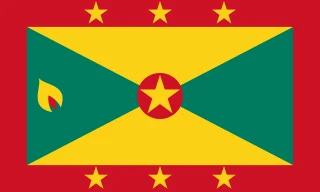
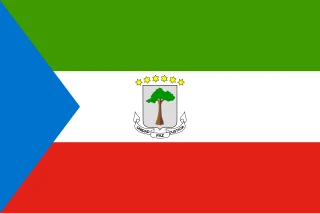
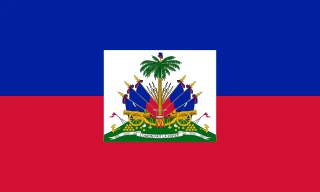
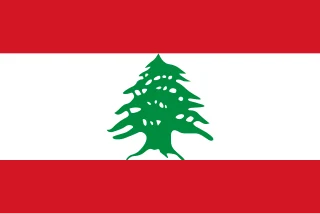
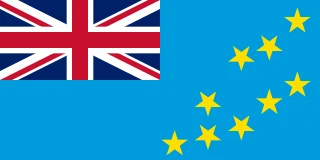
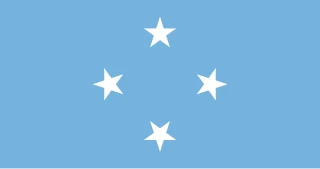
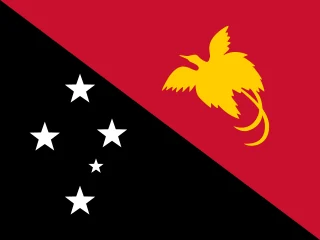
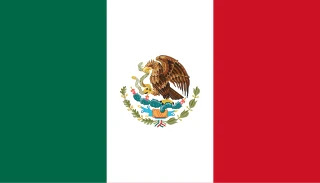
Stars are by far the most widespread symbols: they stand for unity, hope, regions or islands (the fifty American states, the nine islands of Tuvalu). Next come coats of arms and emblems, crescents and suns, then animals (the eagle of Albania or Mexico, Bhutan’s dragon, Papua New Guinea’s bird of paradise) and plants (Canada’s maple leaf, Lebanon’s cedar).
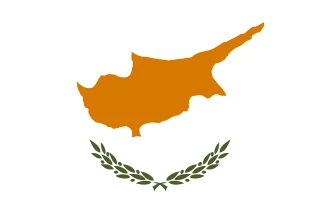
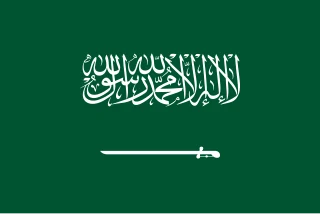
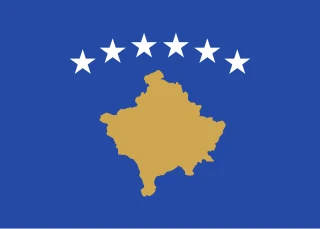
A few flags carry inscriptions, such as the Muslim profession of faith on Saudi Arabia’s, and two show a map: those of Cyprus and Kosovo.
On flags you can find lots of stars, but also suns, moons, eagles, a dragon, a maple leaf and even maps of countries!
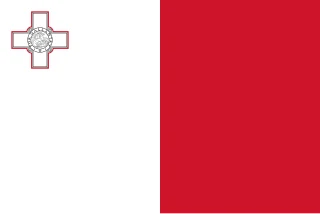
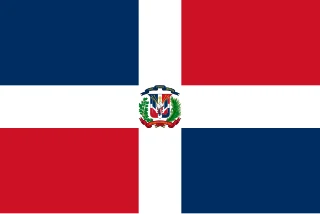
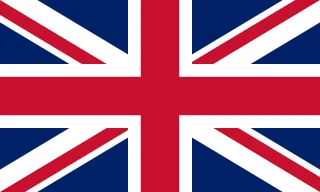
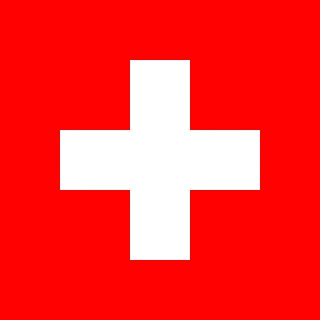
4Shapes and proportions
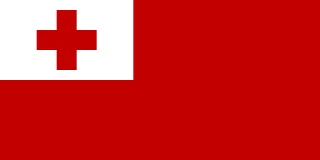
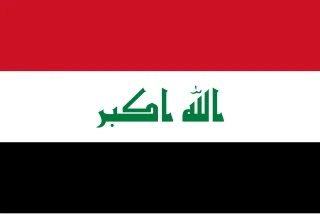
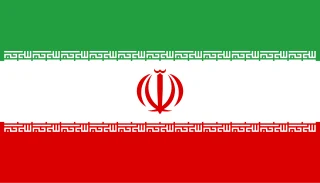
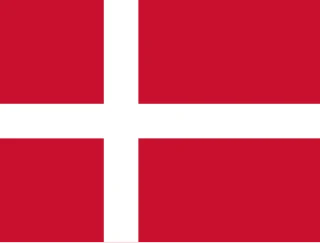
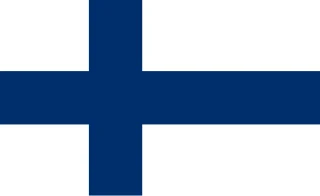
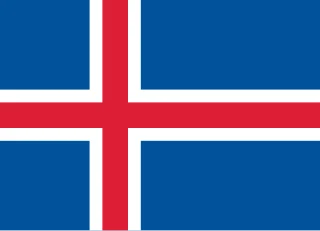
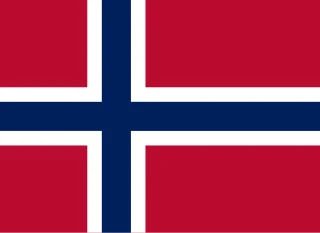
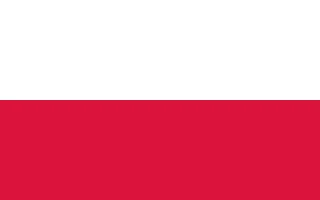
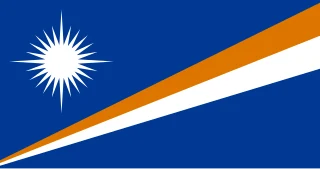
Almost all national flags are rectangles, but their proportions vary. The 2:3 format is the most common; the longer 1:2 format is that of the United Kingdom and of several countries that followed its model. The flag of Qatar is one of the longest (11:28).
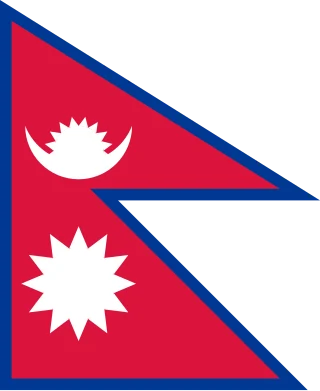
Two flags are square: those of Switzerland and the Vatican. And only one is not rectangular at all: that of Nepal, made of two stacked triangles.
Almost all flags are rectangles. But Switzerland’s and the Vatican’s are square, and Nepal’s is shaped like two triangles stacked on top of each other!
5Designing a good flag
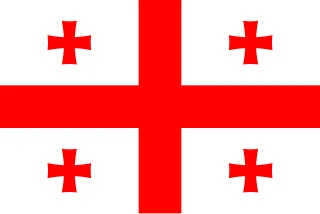
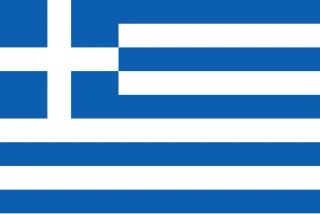
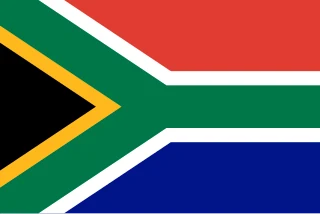
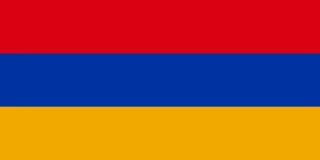
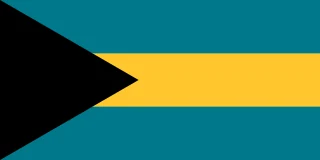
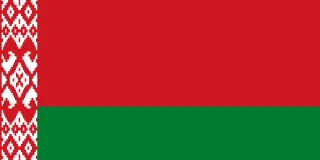
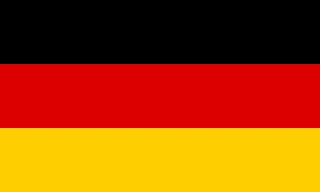
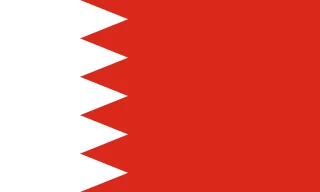
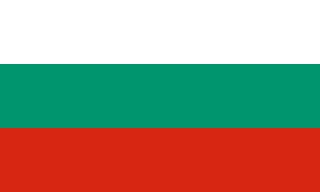
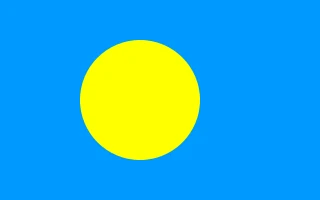
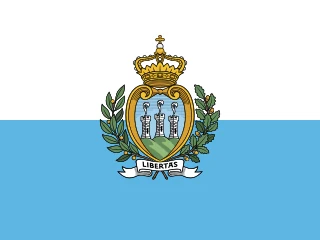
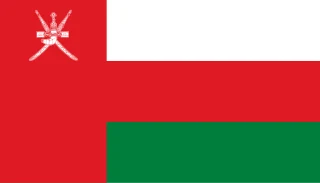
Vexillologists like to recall a few simple ideas for designing a successful flag. First, it should be so simple that a child could draw it from memory. Next, its colours and shapes should mean something to the people it represents. Two or three strong colours are enough, ideally with good contrast. It is best to avoid lettering and very detailed coats of arms, unreadable when the flag flies in the distance. Finally, it should stand out from other flags, while it may recall links with neighbours.
These tips are not rules: many national flags, steeped in history, do not follow them. The workshop lets you put them into practice.
A good flag is simple: you should be able to draw it from memory! Pick two or three colours, a symbol that means something to you, and no writing.
6What is a national anthem?
A national anthem is a song or a piece of music chosen to represent a country at official ceremonies, state visits or sporting events. The oldest were born in Europe: the tune of the Dutch “Wilhelmus” dates back to the 16th century, “God Save the King” was published in 1745 and “La Marseillaise” was written in 1792. Most other anthems were adopted in the 19th and 20th centuries, often at independence.
The words celebrate the land, history, freedom or peace, and sometimes call to arms. A few anthems have no official words, such as those of Spain, Bosnia and Herzegovina, San Marino and Kosovo.
An anthem is a country’s song. It is played on national holidays or before a match. Some anthems have no words: in Spain, the players listen without singing!